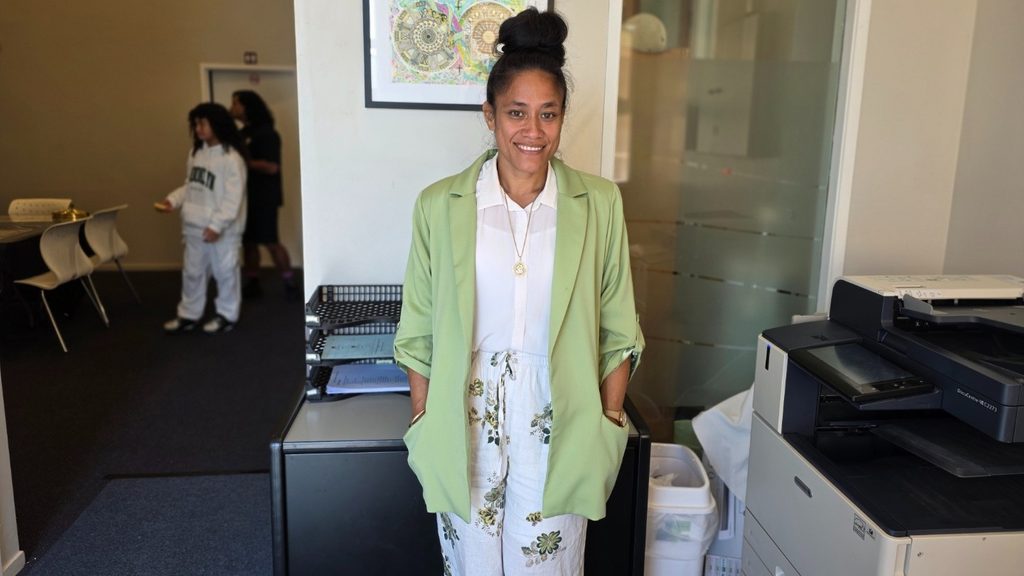
Tutumanu Piuiki: Samoa's Visionary Sports Leader Blending Tradition with Tomorrow
In the vibrant tapestry of Samoan sport, one name stands out as a beacon of leadership, resilience, and cultural integrity:
Tutumanu Piuiki Matautia. Her journey is a powerful testament to the strength of Pacific women, seamlessly intertwining modern athletic aspirations with the deep-rooted values of her heritage. For Tutumanu, sport is far more than mere competition; it's a vehicle for empowerment, a platform for change, and a profound way to honor the legacy of those who came before. She embodies the spirit of a leader who not only breaks new ground but also ensures that every step taken is firmly grounded in tradition.
The Heart of Samoan Sport: Leadership Rooted in Tradition
For
Tutumanu Piuiki, occasions like International Women's Day transcend simple celebration, transforming into a deeply personal reflection on the enduring power of female leadership. "As a Samoan woman in sport, it represents resilience," she articulates, "It represents our mothers and grandmothers — women who carried leadership in quiet strength long before we were given titles." This sentiment is critical to understanding Tutumanu's philosophy. In Samoan culture, leadership often manifests not through overt declarations but through unwavering dedication, community service, and the quiet stewardship of family and cultural values.
This perspective challenges Western notions of leadership, emphasizing that true influence can be cultivated through sustained action and moral authority. For Tutumanu, these matriarchal figures laid the groundwork, instilling values of perseverance and responsibility that she now brings to the sporting arena. Her approach demonstrates that honoring culture and tradition isn't about remaining static; it's about drawing strength from heritage to innovate and lead effectively in contemporary settings. She firmly believes that women in sport are indispensable leaders, decision-makers, and agents of change, yet their actions must always reflect the rich cultural fabric of Samoa. This fusion of ancient wisdom and modern ambition is a hallmark of Tutumanu's unique and impactful leadership style.
From Accidental Beginnings to National Pride: Tutumanu Piuiki's Journey
Every great leader has an origin story, and for
Tutumanu Piuiki, her foray into sport began with a delightful accident. At just nine or ten years old, a Saturday hockey match found her aunty's team short a player. Tutumanu, an eager spectator, was thrust onto the field with strict instructions: "Stay close, avoid contact." The whistle blew, and instinct took over. "I forgot everything," she laughs, recalling how she tackled, blocked, and chased every ball with unbridled passion. By the game's end, she was not only hooked but also awarded Best Player of the Day. "That moment changed everything. Hockey found me — and I fell in love with it."
This serendipitous beginning set her on a path that would eventually lead her to represent Samoa on the international stage. For Tutumanu, wearing the national colours is an act laden with profound meaning. "When I wear Samoa on my chest, I carry my family, my village, my ancestors — and every young girl watching," she explains. This isn't merely about competition; it's a sacred responsibility, a collective pride. Hailing from a small island nation with limited resources, every step onto the field is fueled by heart, discipline, and unity. The journey from an accidental substitute to a national representative remains humbling, a constant reminder of the privilege and duty she carries. Her story is a powerful illustration of how an individual's journey can become an entire nation's inspiration, demonstrating that with passion and purpose, even a small nation can achieve greatness.
The Multi-Sport Advantage: A Holistic Approach to Athlete Development
What makes
Tutumanu Piuiki such an adaptable and comprehensive leader is her rich background as a multi-sport athlete. Her sporting life extends far beyond hockey, encompassing paddle, soccer, netball, and golf – each discipline contributing distinct layers to her skillset and mindset. This diverse athletic portfolio provided a dynamic training ground, not just for physical prowess but for critical life skills.
*
Netball sharpened her communication skills, teaching her the importance of clear, rapid exchanges in high-pressure situations.
*
Soccer built her endurance and fostered creativity in strategy and play.
*
Golf, a sport of precision and patience, developed her emotional control and strategic foresight.
*
Hockey, her first love, refined her leadership abilities and understanding of structured team dynamics.
"Being multi-sport made me adaptable," Tutumanu reflects. "It taught me that growth happens when you step outside your comfort zone." This insight is invaluable for aspiring athletes and coaches alike. Engaging in multiple sports during formative years can lead to better overall athleticism, reduced risk of burnout or overuse injuries, and a broader range of transferable skills. Instead of specializing too early, young athletes can benefit immensely from exploring different challenges, developing a holistic understanding of movement, teamwork, and mental fortitude. This adaptability is not only a benefit on the field but also a crucial trait for leadership and problem-solving in any walk of life, making Tutumanu a prime example of its power.
Overcoming the Unseen Hurdles: Championing Women in Pacific Sport
While the triumphs of athletes like
Tutumanu Piuiki are celebrated, the unseen battles fought behind the scenes often remain obscured. For many women in sport, particularly in the Pacific, the challenges extend far beyond the physical demands of competition. Tutumanu speaks candidly about the immense emotional load: the delicate balancing act of family responsibilities, leadership roles, stringent cultural expectations, and the relentless pressure to perform. These pressures are compounded by practical hurdles such as the constant need for fundraising, the scarcity of adequate facilities, and the quiet self-doubt that can creep in when navigating spaces not traditionally designed for women.
"As a Pacific woman, you don’t just carry yourself — you carry community expectation too," Tutumanu emphasizes. This communal responsibility, while a source of immense strength and pride, also adds a significant layer of mental and emotional weight. It means representing not just personal aspirations but the hopes and dreams of an entire village, family, and nation. To truly champion women in Pacific sport, it is imperative to acknowledge and address these unique challenges. This includes developing robust support systems that integrate cultural considerations, providing accessible mental health resources, and advocating for equitable funding and infrastructure. By understanding these unseen hurdles, we can better support athletes like Tutumanu and ensure they have the resources and encouragement needed to thrive, both on and off the field.
Forging the Future: Tutumanu Piuiki's Vision for the Next Generation
Tutumanu Piuiki is not just an athlete; she is a fervent architect of the future for Samoan women in sport. Her dedication is evident in her significant roles as former Secretary of the Athletes Commission for the Oceania National Olympic Committee and her current position as Secretary of the Samoa Hockey Federation. From these influential platforms, she is passionately committed to creating more robust and equitable systems for young women across the Pacific.
Tutumanu has keenly identified critical gaps that hinder the progress of female athletes:
*
Limited structured grassroots programmes: There's a pressing need for organized, accessible entry points for young girls into various sports.
*
Inconsistent facilities: Many communities lack adequate and safe spaces for training and competition, impacting development.
*
Few female mentors in leadership: The scarcity of women in coaching, officiating, and administrative roles limits role models and perpetuates male-dominated structures.
*
Limited media visibility: A lack of media coverage for women's sports means fewer opportunities for inspiration and public recognition.
"Girls need to see women not only playing — but coaching, officiating and sitting," Tutumanu asserts, highlighting the crucial importance of representation at every level. To address these gaps, practical, actionable advice is essential. Sports federations must prioritize investment in junior development, implement mentorship programs connecting aspiring female leaders with experienced ones, and actively seek to increase media coverage for women’s sporting events. Governments and community organizations can play a vital role in providing safe, accessible, and well-maintained sporting facilities. For deeper insights into these initiatives, explore
Tutumanu Piuiki: Building Pathways for Samoan Women in Sport and learn more about her efforts in
Tutumanu Piuiki: Empowering Samoan Women's Leadership in Sport. Her vision is clear: to ensure every Samoan girl has the opportunity to discover her strength, lead with purpose, and carry her heritage with pride.
In summary,
Tutumanu Piuiki stands as an inspiring figure who masterfully blends the rich traditions of Samoa with a progressive vision for women in sport. From her accidental start in hockey to her pivotal roles in sports administration, she exemplifies resilience, adaptability, and unwavering commitment. Her leadership not only elevates Samoan athletes on the world stage but also actively constructs pathways for the next generation, ensuring that every young girl has the chance to realize her full potential, echoing the "quiet strength" of the women who came before her. Her journey is a powerful reminder that true leadership honors the past while boldly shaping the future.